MERGE- Media, religion, and gender
My Marie Skłodowska-Curie project examines how Catholic social movements discuss gender-related issues (like abortion, LGBTQ+ rights, feminism, women’s priesthood…) from different perspectives. It looks at how social media help shape practices and narratives, and seeks a comparison between the US and Europe.
The idea of my project starts long time ago, when, still doing my Ph.D., I analyzed some anti-gender groups. These groups, like the Italian Sentinelle in Piedi or the French Manif Pour Tous, initially organized demonstrations against same-sex marriage, and then started opposing transgender rights, feminism, and abortion. While they’re not openly religious, they are usually inspired by Catholic ideas, especially those about traditional family values. I got fascinated by how these groups use the Internet as an inherent criticism of “mainstream” media, and published about them in my book, as well as here and here.
For my project, I wanted to continue exploring these positions within contemporary Catholicism, especially given that anti-gender movements are now getting popular also in the U.S. and Eastern Europe. However, something was missing from my project, and I felt I wanted to grasp the true complexity of Catholicism. One day, I was walking on the beach listening to my favorite podcast Classical Ideas, when I got to listen something about the Roman Catholic Womanpriests, and I had an epiphany. In Europe as well as the U.S., there are Catholic movements asking for gender equality in priesthood, for allyship with LGBTQ+ people, for feminist theologies. It was the other side of the coin that I was yet to explore.
So, I decided to study and compare Catholic groups that approach gender from different political, social, and activist perspectives. In so doing, I also want to understand how Catholic groups discussing gender approach traditional authority, whether they clash with the Vatican, or seek its endorsement, or want to change something. Besides, I look at them as examples of transnational social movements, since the literature on the topic hasn’t extensively researched religion.
MERGE starts in December 2023 and ends in December 2026. My main host is the University of Bologna (yes! the oldest university in the world… maybe), under the supervision of the brilliant professor Alice Mattoni. I have been at the University of Colorado Boulder, U.S. working with the great scholars of the Center for Media, Religion and Culture, and at the Blanquerna Observatory of Media, Religion, and Culture, in Barcelona, Spain.
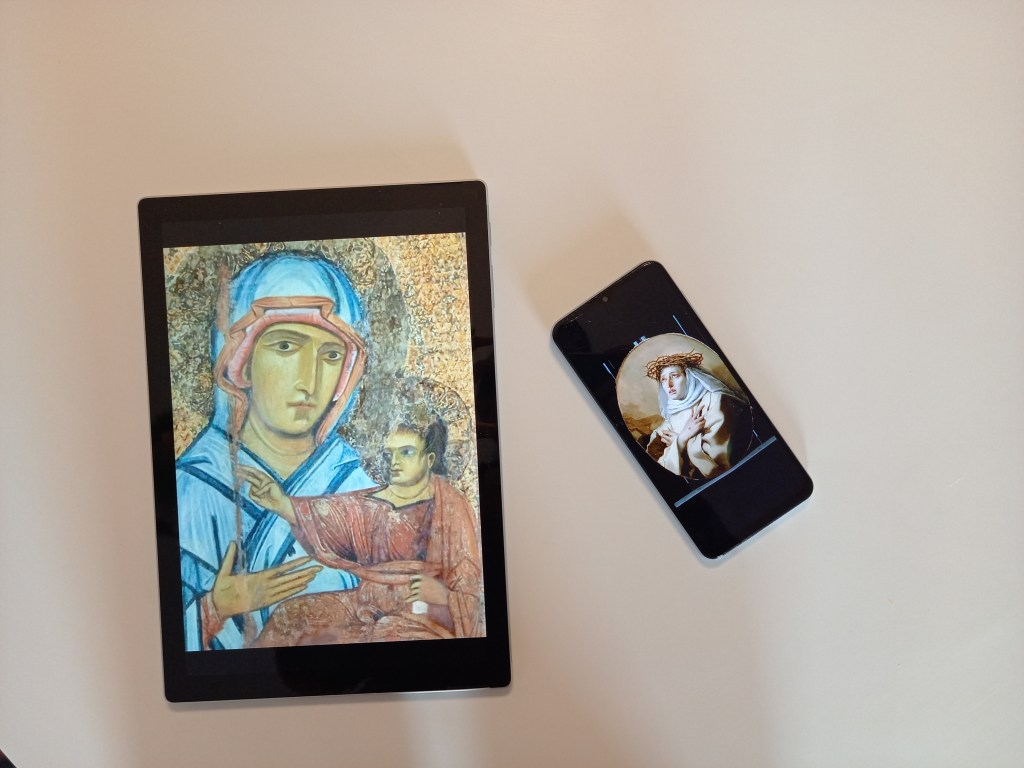
Follow MERGE on your favorite social media, where I put regular updates:
Instagram: mergeproject2023
X (The Platform Formerly Known as Twitter): @GenderMerge
CONTACT: giulia.evolvi@unibo.it
Publications
Here you can find the publications connected to my project:
Secular Media, Religious Activists: The Role of Religion in Anti-Gender Mobilizations in Europe
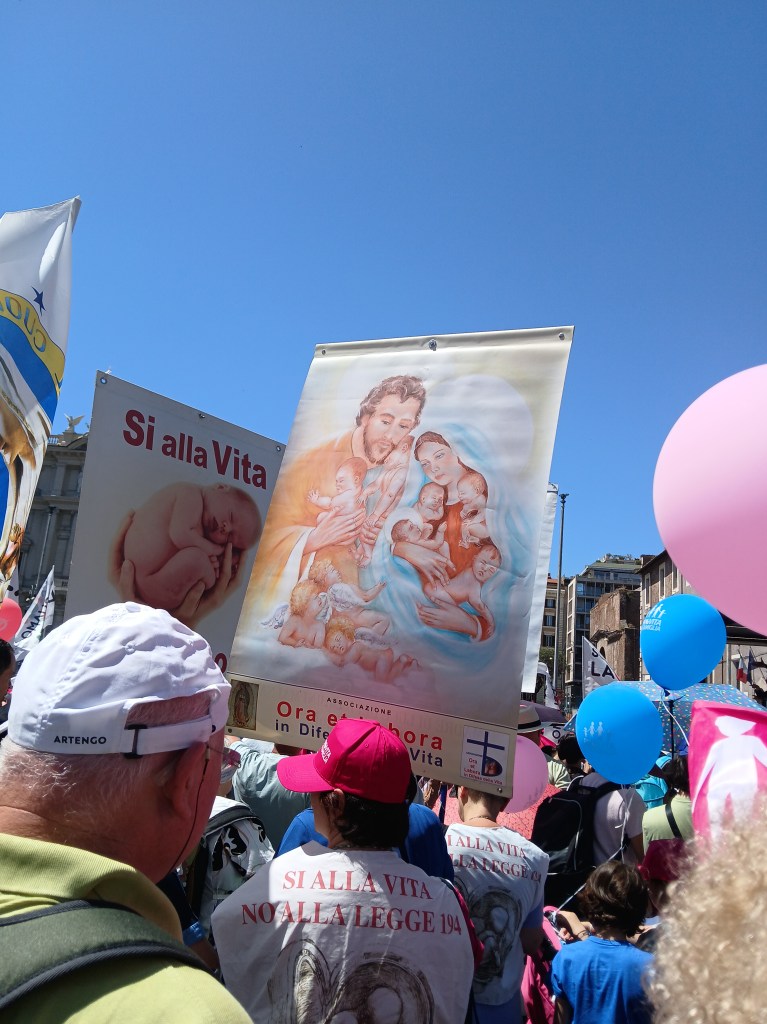
While researching anti-gender groups, I noticed something interesting. When you look at social media platforms of these groups, like CitizenGO, there is not a lot of emphasis on religion. Mostly, they discuss how Christians are marginalized in a secular society. But I attended events (like Marches for Life) and interviewed activists, and they told me a whole different story. For them, religion is often fundamental as a socialization force and an inspiration for action. Therefore, I reflected on this point to think about the theory of secularization, and here’s the open access article I wrote for Religions:
Secular Media, Religious Activists: The Role of Religion in Anti-Gender Mobilizations in Europe
 Giulia Evolvi